
What is an SSL Certificate, and Why Does It Matter?
As you browse the internet, you may have noticed that some website URLs start with http:// while others begin with https://. That one little grammatical ‘s’ may seem insignificant, but in the language of web safety, the “s” is derived from an SSL certificate, a small digital file that plays a surprisingly significant role in securing our online data.
In this blog, we will talk about: What is an SSL certificate & how it works and why you must have one if you own a website. We will also compare HTTP and HTTPS, as there are some important differences that affect web safety and trust.
SSL: Secure Sockets Layer. An SSL Certificate (Secure Sockets Layer) is a digital certificate that provides authentication for a website and enables an encrypted connection between the web server of the site and its visitors’ browsers.
This encryption means that information sent between the user and the website (e.g. login credentials, payment information or personal data) is protected from hackers by a third-party interception.
You will be able to see a padlock symbol in the browser address bar along with https:// before the URL when a website has a valid SSL certificate.
Importance of SSL Certificate
1. Data Protection and Encryption
Ultimately, the main purpose of an SSL certificate is to encrypt sensitive data so it cannot be read by anyone who tries to intercept that information. This ensures attackers cannot intercept the data while in transit, especially serious if your site is taking any personal, financial or login details.
2. Builds Trust and Credibility
Having a padlock icon in the browser with an “https” website address is more likely to be trusted by your visitors. This tells them that their data is protected, and your site is secured. Without SSL, you risk a page on your site being labelled as “Not Secure” and losing potential leads.
3. Improves SEO Rankings
Google has long favoured safe websites in the rankings. When you have an SSL certificate, your SEO performance will improve, meaning that having it will make your website be seen more, thereby helping in driving traffic to it.
4. Required for Online Payments
This is a must-have for all e-commerce websites, since it provides compliance with PCI DSS (Payment Card Industry Data Security Standards). You need online payment processing to legally accept payments on the web.
5. Protects Website Integrity
SSL certificates ensure that the content users see on your website wasn’t tampered with by hackers or malware in transit. This safeguards your brand and also the people who visit you.
What Is The Difference Between HTTP And HTTPS?
| Feature | HTTP | HTTPS |
|---|---|---|
| Full Form | HyperText Transfer Protocol | HyperText Transfer Protocol Secure |
| Security | Not secure (data is sent in plain text) | Secure (data is encrypted) |
| SSL Certificate | Not used | Required |
| Browser Indicator | No padlock; may show “Not Secure” | Padlock icon in address bar |
| SEO Benefit | No SEO advantage | Preferred by Google |
| Trust | Low trust from users | High trust from users |

But Do I Need An SSL Certificate on My Site?
Yes — 100%.
Running a website for your blog, business portfolio, or an e-commerce store? You NEED an SSL certificate! This is critical to earning the trust of your subscribers, protecting your site and showing up in search engines.
In Hosting Home, we give Free SSL Certificates with all hosting plans because the website owner should not worry about security and their business.
How to Get an SSL Certificate?
It is already available if you are hosting your site on Hosting home; there is Free SSL with it. The only thing remaining to be done is to activate it via your control panel.
We also offer Top-tier SSL certificates with various features and a warranty for more advanced standards and custom security.
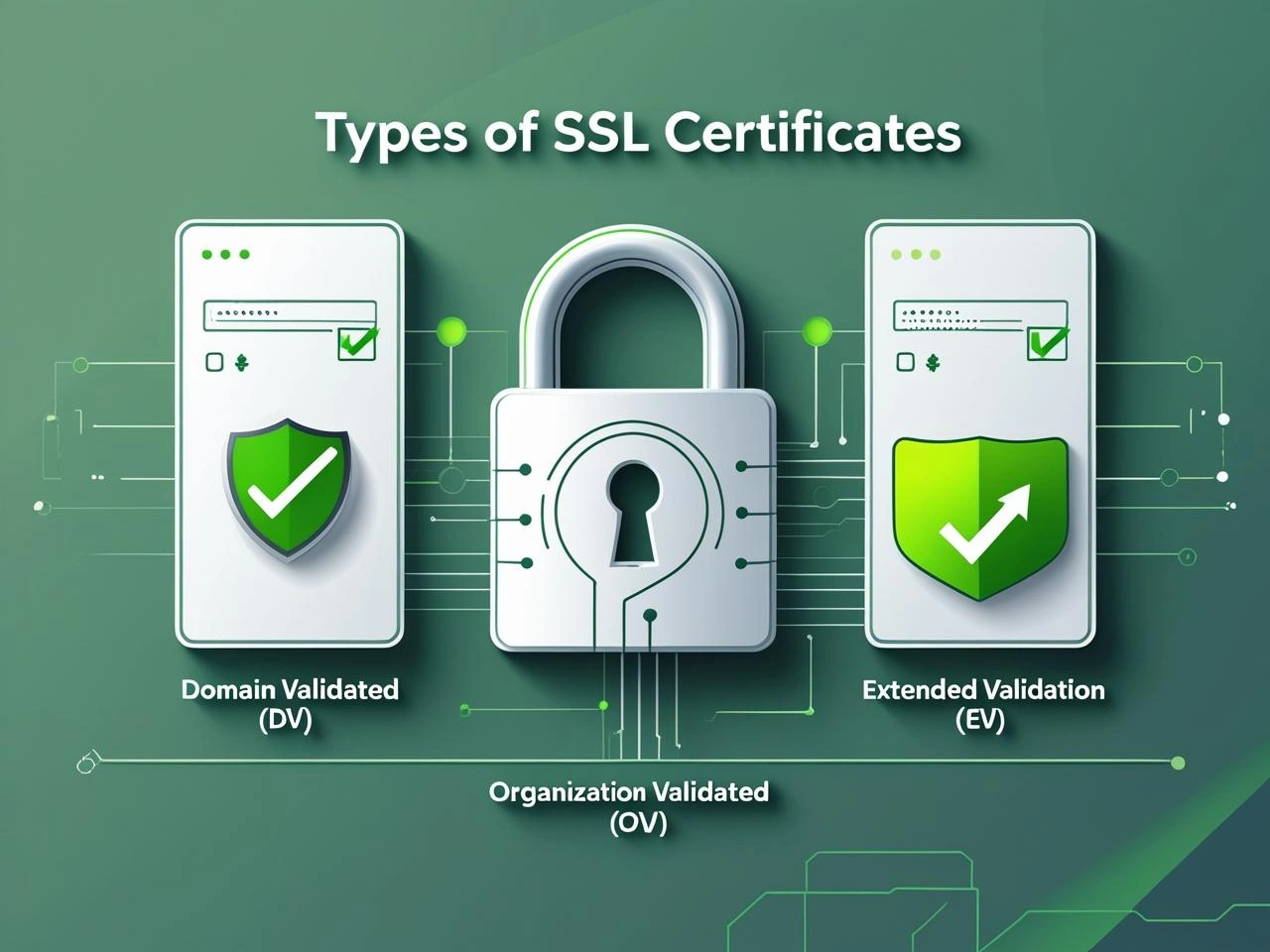
Types of SSL Certificates
SSL certificates are classified into the following types as per the type of website and your needs.
- Domain Validated (DV): Basic data security. Fast and easy to issue. WordPress Plugin, Great for blogs or small sites.
- Organisation Validated (OV): Verifies domain and organisation details. Right for small businesses.
- Extended Validation (EV): Highest level of security. Displays the Company name on a browser tab. Best suited for ecommerce, banks and large entities.
- Wildcard SSL: It will take care of one domain and unlimited subdomains.
- Multi-Domain SSL (SAN SSL): Secures multiple domains with one certificate.
Final Thoughts
For those who have not heard of them before, an SSL certificate is much more than a technical add-on; they are Trust Signal, Ranking Factor, and a Security necessity. In an environment where threats increase every day, website owners should leave HTTP and move on to HTTPS.
With Hosting Home, we do that transition simply, quickly and free. Protect your website today and offer your visitors the browsing experience they deserve.
Ready to go secure?
Visit HostingHome. Get Free SSL, Free DDoS Protection, Free Whatsapp Support with any hosting plan today!